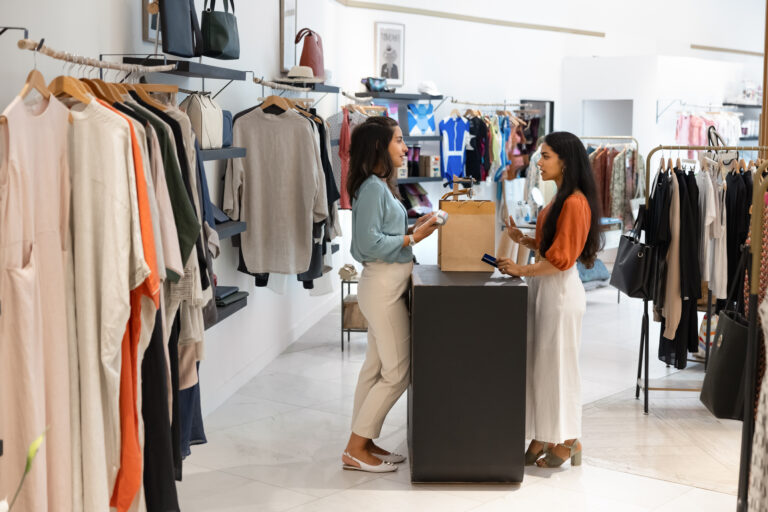
You recognize that customer. She comes in every few weeks, knows your store layout, and always grabs a few extras at checkout. At least, she used to.
These days, you notice she stopped in once, spent half what she normally does, and you haven’t seen her since. You’re not sure why. Your store looks the same. Your prices haven’t changed dramatically. The team is friendly. So what happened?
For many retail business owners, this is one of the most frustrating problems to diagnose — because it’s invisible. No alarm goes off when a loyal customer starts spending less. No notification when someone who used to visit weekly starts coming monthly. And by the time you realize they’re gone, they’ve likely already found somewhere else to shop.
The truth is, customer retention is one of the most powerful growth levers in retail — and one of the most overlooked. Keeping an existing customer costs significantly less than acquiring a new one, yet most retail operations are set up to attract new buyers without any system to hold onto the ones they already have.
If your store feels like it’s working hard but not growing, the problem might not be traffic — it might be what happens after the first sale.
Problem 1: You Have No Idea Who Your Best Customers Actually Are
Think about this: do you know the names of the customers who spent the most in your store last month? Do you know what they bought, how often they visit, or whether their spending has gone up or down?
For most retail owners, the honest answer is no — and that’s not a personal failure. It’s a data problem. When every transaction is anonymous, every customer looks the same. You see totals and product movement, but you can’t see people. You can’t see patterns.
The business impact is direct. Without knowing who your loyal customers are, you can’t proactively reach them. You can’t reward them before they leave. You can’t notice when their visits start dropping off — until they’re already gone.
This happens because most retail operations run on transactional data: what sold, when, and for how much. That’s useful but incomplete. What’s missing is behavioral data — who bought it, and what that tells you about where the relationship is heading.
Problem 2: Your Promotions Go to Everyone — Including People Who Don’t Need Them
A lot of retail stores run the same promotions to every customer: the same discount, the same flyer, the same message. It feels like good marketing. But when a longtime customer who already loves your store gets the same “first purchase” offer as a first-time visitor, something feels off — for them and for your margins.
Generic promotions are expensive and often ineffective. Discounting to customers who would have bought anyway reduces your margin. Not discounting to customers who are on the fence means losing them. The only way to know the difference is to understand who your customers are and where they are in their relationship with your store.
The problem is rooted in one-size-fits-all thinking. Without customer segmentation — the ability to see groups within your customer base — every offer is a guess. And guessing is expensive in retail.
Problem 3: There’s Nothing Bringing Customers Back Between Purchases
A customer buys from you. They had a great experience. They leave. And then… nothing. No message, no reason to return, no reminder that you exist. Weeks pass. A competitor’s promotion shows up on their phone. They try it. Now you’re competing for a customer you already had.
Most retail stores have no systematic way to stay in touch with customers between visits. There’s no touchpoint — no “thank you,” no loyalty milestone, no heads-up about new arrivals relevant to what they’ve bought before. The relationship ends at the register and restarts from zero every time they walk through the door.
The business impact compounds over time. A customer who shops once a month but then drops once every two months has cut their annual value in half — and you probably didn’t notice until it was too late to respond.
None of this means your store isn’t good enough. In most cases, customers who drift away weren’t unhappy — they were simply not engaged. And engagement is a system problem, not a people problem.
The stores winning at customer retention aren’t necessarily offering better products or lower prices. They’re the ones that make customers feel seen — that remember what they like, reward them for coming back, and stay in touch between visits. That requires data, automation, and the right infrastructure underneath your everyday operations.
The good news is that this is entirely solvable — and it doesn’t require a large team or a big marketing budget.